$Z
AI Sentiment Score: 0/100|0 articles (7d)|USD
Open
$45.59
Day High
$46.35
Day Low
$44.32
Prev Close
$45.59
Volume
2.0M
Sentiment
0
0B · 0Be
Intraday Price Chart · 5-Min Candles
79 data points · Dashed line = EOD prediction
EOD Prediction
$44.76
+0.00 (+0.00%) vs now
AI Signal
— HOLD
EOD prediction is AI-generated from news sentiment only. Not financial advice.
Latest Analysis for $Z

COVID-era homeowners are still hanging on to their ultra-low-rate mortgages
Many homeowners who secured low-rate mortgages during the COVID-19 pandemic are reluctant to sell their homes or refinance due to the current higher interest rates. This behavior is impacting the housing market by limiting inventory and keeping home prices elevated. As a result, the average duration of homeownership is extending, reducing the turnover in the market. This trend could benefit companies related to home improvement and refinancing alternatives. The sustained low inventory might lead to continued pressure on house prices, favoring companies in real estate and construction sectors.
CoStar: A Compounding Machine In The Trash Can
CoStar Group's financial performance has raised concerns among analysts, highlighting operational inefficiencies despite consistent revenue growth. The article suggests that while CoStar's market dominance in real estate analytics remains intact, its high valuation coupled with competition could lead to a reevaluation of its growth prospects. Additionally, there are suggestions of possible headwinds as the housing market faces uncertainties. Traders are advised to exercise caution given the mixed signals regarding CoStar's long-term sustainability. Overall, the article positions CoStar as grappling with inner challenges while operating in a volatile market.

Existing home sales data highlights economic events due Monday
The latest data on existing home sales was released, indicating a slight decline in transactions, which may reflect broader economic trends. Analysts speculate that this decline could be influenced by rising mortgage rates and tighter inventory levels. In addition, upcoming economic events are expected to further impact these trends and the housing market overall. Investors are advised to keep an eye on these factors as they could signal changes in consumer confidence and spending. Overall, the situation suggests cautious optimism tempered by prevailing risks in the housing sector.
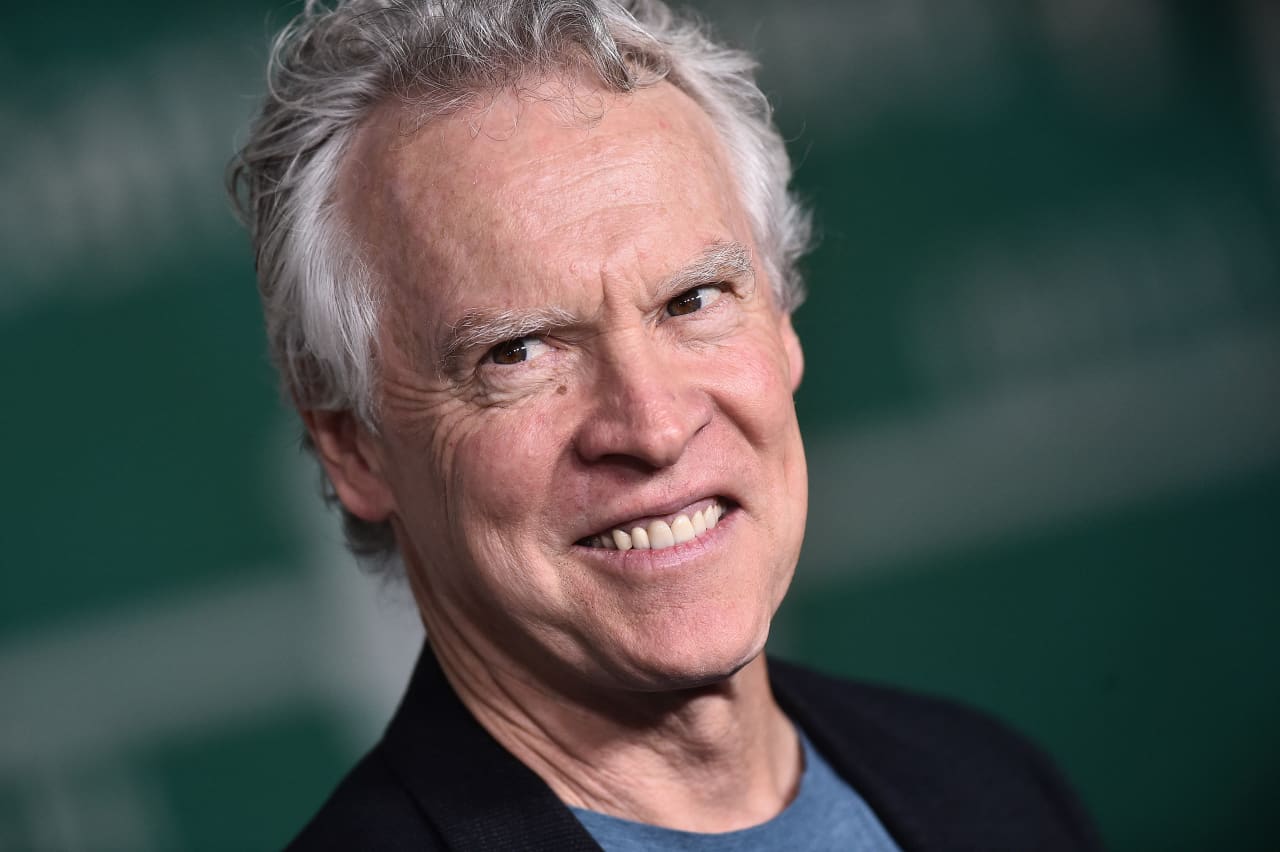
‘Crime 101’ actor Tate Donovan lists lush Texas Hill Country property for $1.7 million
Tate Donovan, known for his role in 'Crime 101' and 'Friends', has put his Texas Hill Country property on the market for $1.7 million. This sale highlights the ongoing trend of celebrities entering the real estate market, particularly in desirable locations like Texas. The listing may attract affluent buyers looking for luxurious properties in a serene environment. Such celebrity real estate transactions can influence local real estate prices, signaling confidence in the market. Investors may want to monitor the broader implications on population shifts and property values in the Texas region.
Zillow: Tide Shifting In Its Favor (Rating Upgrade)
Zillow has received a rating upgrade, indicating positive sentiment regarding its business outlook. The upgrade suggests that analysts believe Zillow's strategies are beginning to pay off, especially amid shifting market dynamics. This may lead to increased investor confidence and potential stock price appreciation. As the real estate market experiences changes, Zillow's adaptive strategies position them favorably. Overall, the news suggests a bullish trend for Zillow moving forward.

Why Better Home & Finance Holding Stock Zoomed Almost 23% Higher This Week
Better Home & Finance Holding Stock experienced a significant surge of almost 23% this week, primarily driven by positive financial results and increased demand for mortgage refinancing. The company's strong quarterly earnings report exceeded analyst expectations, highlighting improved operational efficiency and growing market share. Furthermore, a favorable interest rate environment has catalyzed more homeowners to seek refinancing options. Investors are optimistic about the company's growth prospects amid rising housing market activity. As a result, Better Home & Finance's stock is attracting heightened interest from traders and investors alike.

How to calculate your home equity — and how much you can tap
The article discusses methods to calculate home equity and provides insights on how homeowners can leverage their equity for financial needs. It emphasizes the growing importance of home equity as property values rise and mortgage rates fluctuate. By understanding home equity, homeowners can make informed decisions about using their homes as financial assets. The article also highlights potential risks associated with tapping into home equity, such as increased debt exposure. Overall, it encourages careful consideration before accessing home equity for loans or other financial purposes.
Opendoor's Turnaround Meets Macro Challenges - Mixed Prospects Entering 2026
Opendoor is experiencing a challenging turnaround as it navigates macroeconomic headwinds such as rising interest rates and fluctuating housing prices. While the company has taken steps to improve its business model and customer engagement, external factors are dampening its growth prospects. Analysts are divided on the impact of these changes, with some seeing potential for recovery, while others remain skeptical about sustainability. The real estate market's direction will significantly influence Opendoor's performance going into 2026. Investors are advised to proceed cautiously as the situation unfolds.

‘Don’t leave’: the remote work guru who nailed the labor market during the Great Resignation offers job advice for 2026
The article highlights insights from a renowned remote work expert who accurately predicted trends during the Great Resignation. The expert offers advice aimed at navigating the future labor market as remote work continues to evolve. Key themes include the importance of flexibility and adaptability in job roles. Companies are urged to provide better remote work support to retain talent amidst ongoing shifts. This guidance may influence company policies and hiring practices in the coming years.