$DAL
Intraday Price Chart · 5-Min Candles
Could not load price data for DAL
EOD prediction is AI-generated from news sentiment only. Not financial advice.
Latest Analysis for $DAL
Boeing: Oil Shock Hits Airlines, But Demand For Jets Won't Break
Boeing faces headwinds as rising oil prices impact airline profitability and could hinder short-term demand for new aircraft. Despite this, analysts believe the long-term demand for commercial jets remains robust, particularly as air travel rebounds post-pandemic. Airlines may postpone some orders, but the overall market for jets is expected to grow as global travel increases. Boeing's efforts in innovation and sustainability are seen as positive factors that might cushion the impact of short-term fluctuations. Investors are encouraged to look for entry opportunities in Boeing amid these challenges.
Europe is running out of jet fuel
Europe is facing a jet fuel shortage due to a combination of supply chain issues and increased demand as travel resumes post-pandemic. This has led to rising fuel prices, which could impact airline profitability. Airlines may need to adjust flight schedules or routes to manage costs. Governments may intervene to stabilize the fuel supply. Overall, the sentiment in the aviation industry remains cautious amidst these challenges.

Delta Air (DAL) Still Has to Deal With Crunch Despite Having a Great CEO, Says Jim Cramer
Jim Cramer has noted that despite Delta Air Lines' strong leadership under CEO Ed Bastian, the airline still faces significant challenges in terms of operational crunch. Cramer points out that ongoing issues such as staffing shortages and rising fuel costs could hinder Delta's profitability. The airline industry is expected to experience heightened scrutiny as travelers return post-pandemic demand. While Delta has made strides in improving service and managing its operations, the potential for recurring disruptions remains a concern for investors. Overall, the outlook for Delta is cautious with potential volatility as the market adjusts to these challenges.
Airline CEOs urged by lawmaker to lower fares if fuel prices come down
Airline CEOs are under pressure from lawmakers to reduce ticket prices if fuel costs decrease. The recent rise in airfare, surcharges, and fees was primarily driven by increased fuel prices linked to the Iran conflict. This pressure suggests a potential shift in pricing strategy for airlines should fuel prices stabilize or fall. Investors may need to monitor fuel price trends closely as they could impact airline profitability and consumer demand. Overall, such developments could affect airline stock valuations depending on their response to these challenges.

Jim Cramer Says “I Think Southwest’s a Terrific Turnaround Story”
Jim Cramer has expressed a positive outlook on Southwest Airlines, calling it a compelling turnaround story. He believes the airline is well-positioned for recovery as travel demand rebounds post-pandemic. Cramer's endorsement may influence investor sentiment positively, potentially leading to increased buying pressure on Southwest's stock. This could also spark renewed interest in the airline sector overall. Investors should watch for further developments and performance indicators from the airline as it works on its turnaround strategy.

Stocks back to record-setting ways on Middle East truce hopes
Hopes for a truce in the Middle East conflict have boosted market sentiment, leading to a rally in broader stock indices reaching record highs. Investors are optimistic about reduced geopolitical tensions, which could pave the way for increased global economic stability. Major sectors such as energy and travel are experiencing notable gains as fears of interruption in oil supplies diminish. Companies with international exposure are witnessing increased investor confidence, reflecting a bullish outlook. Overall, the market is reacting positively to signs of peace negotiations.
Europe could run out of jet fuel in 6 weeks, IEA chief tells AP
The International Energy Agency (IEA) has issued a critical warning stating that Europe may exhaust its jet fuel supply within six weeks. This alarming projection raises concerns over fuel availability for airlines and could disrupt air travel across the region. As a result, airline stocks could be negatively impacted due to anticipated operational challenges. Additionally, energy stocks, particularly those involved in fuel production and distribution, may see increased volatility based on supply chain responses to the news. Overall, this situation demands close monitoring as it unfolds.

United Airlines faces Senate pushback on potential American Airlines takeover
United Airlines is encountering significant opposition from the Senate regarding its proposed takeover of American Airlines, with lawmakers expressing concerns over potential monopolistic practices and impacts on competition within the airline industry. This pushback suggests increased regulatory scrutiny could hinder the merger's prospects and raise questions about future airline consolidation efforts. Investors may find this situation destabilizing given the uncertain regulatory landscape and potential implications for airline stocks. Additionally, Senate opposition highlights the risks associated with large-scale mergers, which could lead to a decline in market confidence in such transactions. The news has led to a cautious sentiment about airlines, particularly for United and American.
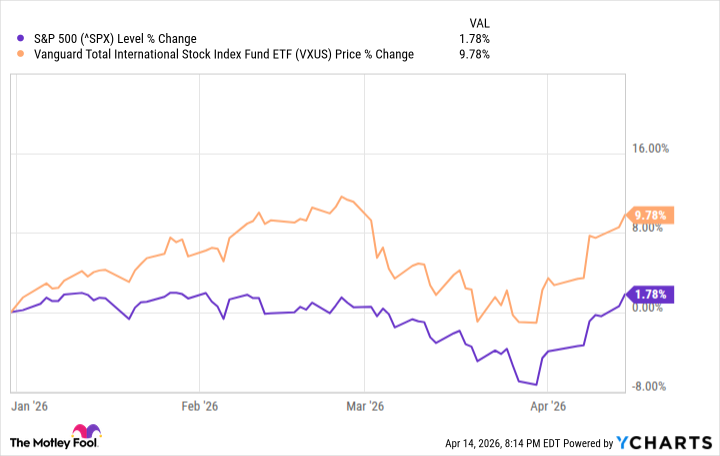
Wall Street Has Proven Resilient Through a Geopolitical Shock, a Rate Freeze, and $110 Oil. Here Is What That Tells Long-Term Investors.
The recent resilience of Wall Street amidst geopolitical tensions, a rate freeze by the Federal Reserve, and high oil prices suggests that the market is well-positioned for long-term investment. Historical trends indicate that markets often rebound after periods of uncertainty, making this a potentially opportunistic time for investors. Stability in the face of adversity may attract more capital to the equity markets. Investors should be cautious yet optimistic, as external pressures like high oil prices could still impact various sectors. The current scenario calls for a strategic approach to stock selection, particularly in energy and defense sectors.