$XLF
AI Sentiment Score: 33/100|65 articles (7d)|USD
Open
$49.88
Day High
$50.02
Day Low
$49.50
Prev Close
$49.88
Volume
31.2M
Sentiment
33
18B · 37Be
Intraday Price Chart · 5-Min Candles
79 data points · Dashed line = EOD prediction
EOD Prediction
$49.73
-0.15 (-0.30%) vs now
AI Signal
▼ SELL
EOD prediction is AI-generated from news sentiment only. Not financial advice.
Latest Analysis for $XLF
Best CD rates today, April 8, 2026 (Earn up to 4.15% APY)
As of April 8, 2026, Certificate of Deposit (CD) rates have reached a competitive high of 4.15% APY, indicating a favorable environment for savers. This increase in CD rates may attract investors seeking stable, fixed-income products, suggesting a shift away from riskier assets. Higher CD rates could indicate potential tightening of monetary policy by central banks, which might influence market liquidity. Financial institutions offering these competitive rates could see increased deposit inflows. The bond market may react negatively to rising rates as yields climb, potentially impacting related stocks.
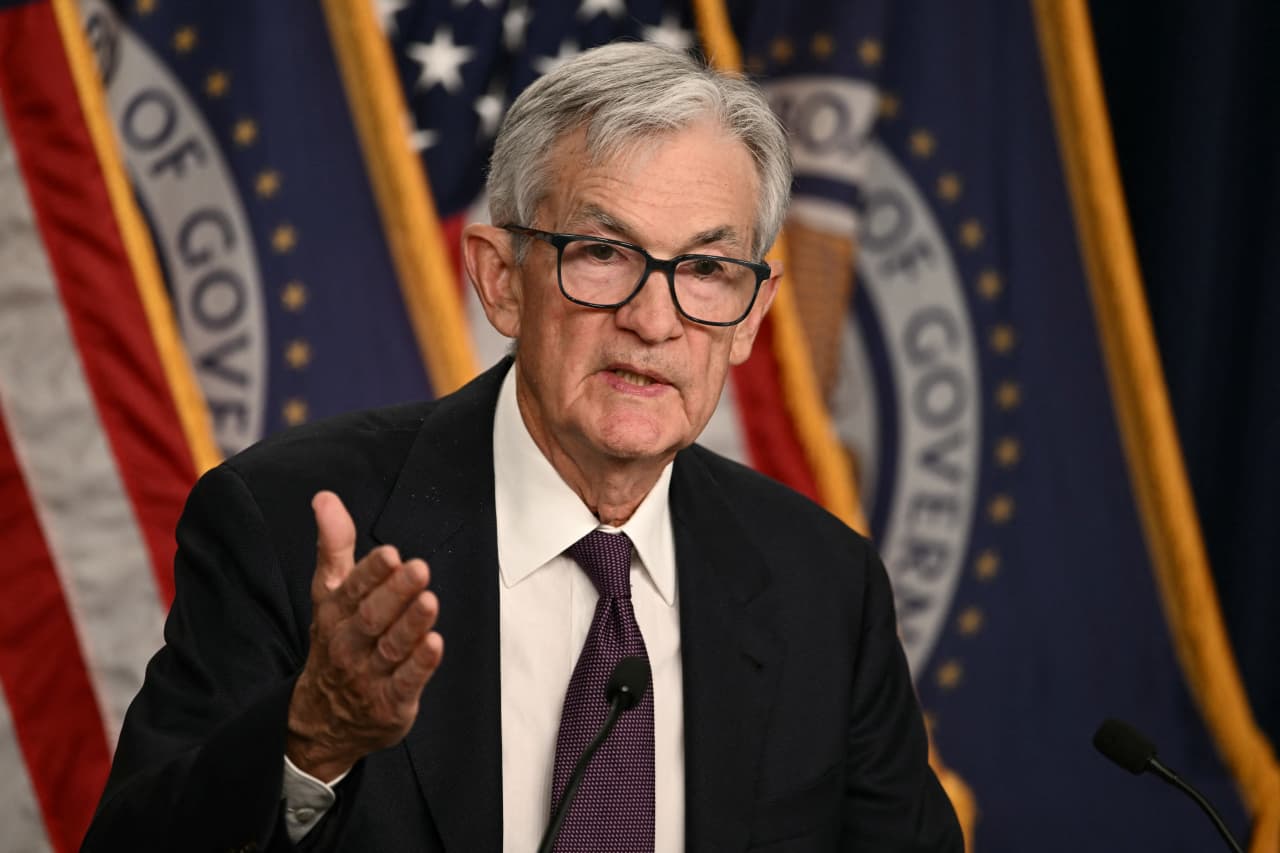
What the market is now pricing for Fed and global central bank interest rates after the cease-fire
The recent cease-fire agreement between the U.S. and Iran has eased investor concerns over potential interest rate hikes by major central banks. This development suggests that monetary policy may remain accommodative, which could have positive implications for market growth. Investors are now factoring in lower probabilities of aggressive rate increases amidst stabilizing geopolitical tensions. As a result, market reactions may lead to increased buying in growth-focused sectors. This shift in sentiment may also affect central bank communications moving forward.
Morning Brief: A sharp warning from Goldman Sachs
Goldman Sachs has issued a stark warning regarding the potential downturn in the stock market, highlighting concerns over inflation and interest rates that could squeeze corporate profits. Analysts from the firm suggest that investors should brace for volatility as economic indicators signal a slowdown. This has raised alarms about heading into a challenging earnings season where companies may underperform. Investors are advised to re-evaluate their portfolios in light of this advisory, especially in sectors sensitive to economic cycles. Overall, this warning casts doubt on market stability as investor sentiment shifts from optimism to caution.
Jim Cramer says potential stock market bottom is tied to interest rates, not war headlines
Jim Cramer emphasized that current market dynamics are primarily influenced by interest rates rather than geopolitical events such as wars. He cautioned that investors should remain cautious about declaring a market bottom based on fleeting headlines. The ongoing focus on interest rate policies suggests a challenging landscape for stock valuations. This insight may prompt traders to rethink positions, especially in sectors sensitive to interest rate changes. Overall, Cramer's comments indicate increased volatility ahead as economic indicators unfold.
Dimon's Skunk at the Party: Why Rising Inflation Could Be Markets' Biggest Blind Spot Right Now
JPMorgan Chase's CEO Jamie Dimon has expressed concerns regarding rising inflation and its potential negative impact on stock prices. He believes that inflation could be a significant blind spot for investors, indicating potential risks in the market. The warning comes at a time when economic recovery is fragile, and inflationary pressures are building. Market participants may need to reassess their positions and consider how inflation may erode corporate profits. The situation warrants attention from traders looking to navigate the changing economic landscape.

S&P 500 Rides Muddled Monday to Slight Gains on Low Volume
The S&P 500 experienced slight gains on Monday, closing higher despite low trading volume. Market activity was muted amidst investor uncertainty, reflecting mixed sentiments about economic conditions. Analysts suggest that ongoing inflation concerns and geopolitical tensions continue to weigh on market confidence. The lack of strong buying interest points to potential volatility ahead. As discussions around interest rates persist, traders remain cautious.
Indicators Suggest The Market Likely Hasn't Hit Bottom Yet
Recent market indicators suggest that the financial markets have not yet reached a bottom, indicating potential further declines. Analysts are concerned about ongoing economic pressures, including inflation and interest rate hikes, which may continue to weigh heavily on market performance. As investors react to these signals, volatility is expected to increase. Sector performances are diverging, with defensive stocks showing more resilience compared to cyclicals. Overall market sentiment remains bearish as caution persists among traders.

JPMorgan has a stark message on the next Fed rate cut
JPMorgan's latest report signals a nuanced outlook on future Federal Reserve rate cuts, emphasizing caution among traders and investors. The bank suggests that any potential rate cuts may not happen as soon as the market anticipates, which could lead to short-term volatility in equity markets. This commentary comes amidst rising inflationary pressures that may influence the Fed's decision-making process. Investors are advised to reconsider their strategies in anticipation of a longer stretch of elevated interest rates. Overall, JPMorgan reflects a bearish sentiment towards the immediate future of rate cuts.
HYT: Improved Valuation, But Bonds Likely To Remain Under Pressure
HYT has shown improvements in valuation, possibly raising investor interest. However, the article suggests that bonds, in general, are expected to remain under pressure due to various macroeconomic factors. This could lead to volatility in fixed income markets, which may impact related equities. Investors might need to adjust their portfolios accordingly to mitigate risks. The outlook remains cautious despite the positive valuation news for HYT.