$RYAAY
AI Sentiment Score: 50/100|2 articles (7d)|USD
Open
$58.67
Day High
$58.52
Day Low
$57.51
Prev Close
$58.67
Volume
909K
Sentiment
50
1B · 1Be
Intraday Price Chart · 5-Min Candles
79 data points · Dashed line = EOD prediction
EOD Prediction
$58.29
+0.00 (+0.00%) vs now
AI Signal
— HOLD
EOD prediction is AI-generated from news sentiment only. Not financial advice.
Latest Analysis for $RYAAY
European Airline stocks jump as oil slumps on U.S.-Iran de-escalation
European airline stocks surged as oil prices fell due to easing tensions between the U.S. and Iran. The decrease in oil prices is expected to lower fuel costs for airlines, which is a significant expense for the industry. Investors reacted positively, driving up stock prices in this sector. Major airlines in Europe stand to benefit from this shift, as lower operating costs can improve profitability. This market reaction highlights the sensitivity of airline stocks to global oil price fluctuations.

Europe’s Airlines Run Low on Fuel
Europe's airlines are currently facing a critical fuel shortage, which could significantly impact flight schedules and operational costs. Airlines are likely to experience increased expenses as they deal with the fallout from limited fuel supplies. This situation may lead to higher ticket prices, affecting consumer travel behavior. As airlines struggle to adjust to the fuel constraints, investor sentiment may shift towards caution. If the situation persists, it could result in a bearish outlook for the airline sector overall.

Europe’s Inflation Problem Just Reheated
Europe is grappling with rising inflation rates, driven by increased energy prices and supply chain disruptions. Central banks are expected to respond with tighter monetary policies, which could hamper economic growth. Market reactions indicate a bearish sentiment as investors seek safer assets amidst increased uncertainty. Stocks in sectors sensitive to consumer spending may face downward pressure as inflation impacts purchasing power. The financial sector might benefit in the short term from rising interest rates.

Exclusive-European airlines likely beat 2% green jet fuel target last year, sources say
European airlines reportedly surpassed the 2% green jet fuel target set for the previous year, indicating a stronger commitment to sustainability within the aviation sector. This achievement could positively impact investor sentiment towards European airlines, as it reflects compliance with environmental regulations and a forward-looking approach to green energy initiatives. Such progress may also lead to increased investments and partnerships in green technology. Moreover, airlines may benefit from potential subsidies and incentives tied to sustainable fuel use. Overall, this development points to a bullish outlook for the airline sector in Europe.
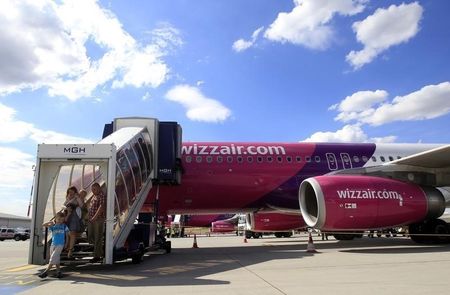
UBS cuts targets on EU airline stocks on fuel surge
UBS has revised downward its target prices for European airline stocks due to a significant increase in fuel prices, which is expected to impact profit margins negatively. The surge in oil prices is prompting analysts to reassess growth potential for the sector, particularly as demand post-pandemic continues to fluctuate. Major airlines could face higher operational costs, resulting in tighter profit margins and potentially affecting their stock valuations. The downgrade reflects a cautious outlook for the airline sector amidst ongoing economic uncertainties and rising costs. Investors may need to reevaluate their positions on EU airline stocks in light of these forecasts.

Europe’s STOXX 600 gains over 1% on Middle East ceasefire hopes
The STOXX 600 has experienced an uptick of over 1% amid renewed hopes for a ceasefire in the Middle East, positively influencing market sentiment across Europe. Investors are reacting favorably to the potential reduction in geopolitical tensions, which could lead to improved economic conditions. The overall rise reflects a broad-based rally, with sectors such as travel, banking, and energy showing positive movements. Key stocks benefiting from the renewed optimism include airlines and energy companies that had previously been affected by uncertainties in the region. This optimism may lead to continued upward momentum in European equities if the ceasefire prospects solidify.

Middle East airlines struggle as Iran conflict disrupts Gulf air traffic
The ongoing conflict in Iran is severely impacting Gulf air traffic, leading to operational disruptions for Middle East airlines. As routes are affected and safety concerns rise, airlines may face increased costs and decreased revenues. Analysts predict a potential downturn in passenger travel and cargo shipments across the region. The instability could provoke a decline in airline stock prices as investors react to the uncertain environment. Airlines may need to adjust their strategies to mitigate losses from this conflict-related disruption.

EasyJet CEO warns ticket prices to rise as Iran war impacts fuel costs
EasyJet's CEO has expressed concerns over rising ticket prices due to skyrocketing fuel costs driven by the ongoing conflict in Iran. The airline industry, already struggling post-pandemic, may face further challenges as operational costs increase. Analysts suggest that this could lead to reduced consumer demand for air travel. The potential for increased fares may not be enough to offset rising operational costs. Airlines like EasyJet, Ryanair, and British Airways may experience short-term volatility as investors reassess their business models in light of these challenges.

How America’s war is turning into a European market nightmare
Recent U.S.-Israeli military actions against Iran have escalated tensions, leading to negative repercussions for European markets. As a result, interest rate expectations are rising for the Bank of England and the European Central Bank. This geopolitical instability is raising concerns about potential economic slowdowns in the region. Investors are increasingly wary, indicating a bearish outlook in the European financial landscape. Consequently, markets may experience volatility as traders adjust their positions in response to these developments.