$KR
AI Sentiment Score: 17/100|6 articles (7d)|USD
Open
$73.03
Day High
$73.78
Day Low
$72.61
Prev Close
$73.03
Volume
3.5M
Sentiment
17
1B · 5Be
Intraday Price Chart · 5-Min Candles
79 data points · Dashed line = EOD prediction
EOD Prediction
$72.24
-0.44 (-0.61%) vs now
AI Signal
▼ SELL
EOD prediction is AI-generated from news sentiment only. Not financial advice.
Latest Analysis for $KR
Rising Food Prices Could Force the Fed's Hand. Here Is the Chain Reaction Investors Are Not Talking About Enough
The article discusses how rising food prices, influenced by fluctuating oil prices, could pressure the Federal Reserve to reconsider interest rates. Investors are not paying enough attention to the potential chain reaction this could create across various sectors. Higher food costs may lead to increased inflation, prompting monetary policy adjustments. This situation could affect consumer spending and corporate profitability, particularly within the retail and agriculture sectors. As such, the overall economic environment may become more challenging for investors.

More trouble brewing for Albertsons and Kroger
Albertsons and Kroger are facing increasing challenges as regulatory scrutiny intensifies around their proposed merger. The potential deal has raised concerns about its implications for competition in the grocery market. Analysts suggest that the merger may be further delayed or blocked entirely, leading to uncertainties for both companies. This situation has negatively impacted their stock prices as investors react to the mounting pressure. The grocery sector may also see shifts in consumer behavior as alternative options gain traction.

Target quietly stops competing with Walmart, Kroger in major area
Target has decided to pull back from direct competition with industry giants Walmart and Kroger, particularly in the grocery segment. This strategic shift may allow Target to allocate resources more effectively and enhance profitability in other areas. However, it also raises concerns about the company's market share in essential retail segments. Analysts suggest this could lead to a weakening of Target's competitive edge in the grocery market. Consequently, investors are cautious about Target's long-term growth prospects in the retail sector.

Grocery chain cuts prices as value war heats up
A prominent grocery chain has announced a significant reduction in prices, marking an intensification of the competition within the grocery sector. This move is aimed at attracting customers amid rising inflationary pressures that have led consumers to seek better value. Analysts predict that this price-cutting strategy may spark similar responses from competitors, potentially resulting in a price war. Such actions could negatively impact profit margins for the entire sector, leading some stocks to experience volatility. Overall, while consumers may benefit in the short term, the long-term effects on grocery chains’ profitability could be concerning.
Grocery shock on the horizon for approaching U.S. elections as Iran war drags on
The ongoing Iran war is anticipated to lead to rising grocery prices in the U.S., potentially influencing voter sentiment ahead of the elections. Representative Vicente Gonzalez highlighted concerns that increased food costs will frustrate voters. This situation could cause significant shifts in consumer behavior and spending. Investors in the grocery and food supply sectors should brace for volatility as political sentiments and economic realities unfold. The impact of rising costs could affect not only consumer purchasing power but also market sentiment leading into election season.

California, states seek $10.3 million for helping block Kroger-Albertsons merger
California and several other states are pursuing $10.3 million in funds aimed at obstructing the Kroger-Albertsons merger. This initiative underscores regulatory scrutiny over consolidation in the grocery sector, emphasizing concerns about market competitiveness and consumer pricing. If successful, the block could significantly impact both companies' growth strategies and market positions. The news suggests a growing bipartisan interest in preventing monopolistic practices in the food retail industry. Stakeholders will be monitoring how this legal and regulatory climate affects strategic decisions within the grocery sector.

Kroger adds bold new offer for customers as gas prices rise
Kroger has introduced a new promotional offer to attract customers amid rising gas prices, enhancing its loyalty program to provide discounts on fuel purchases. This strategic move aims to maintain customer traffic and potentially increase sales as consumers seek ways to alleviate the financial burden of escalating gas costs. Other grocery competitors may respond with similar promotions, creating a competitive landscape in the grocery sector. Analysts suggest that this approach could positively impact Kroger's customer retention and overall sales figures in the face of economic challenges. However, the effectiveness of this strategy will depend on consumer response and competitor actions.
As A Stock, Walmart Offers Poor Value While Kroger Is Priced At A Discount
The article highlights that Walmart's stock is currently overvalued compared to its underlying fundamentals, indicating poor value for investors. Conversely, Kroger is positioned as a more favorable investment, being priced at a discount relative to its performance and growth prospects. This valuation discrepancy suggests potential for Kroger's stock to outperform Walmart. Investors may want to shift their focus from Walmart to Kroger to capitalize on the better pricing dynamics. Such insights could be critical for traders looking for value-driven opportunities in the retail sector.
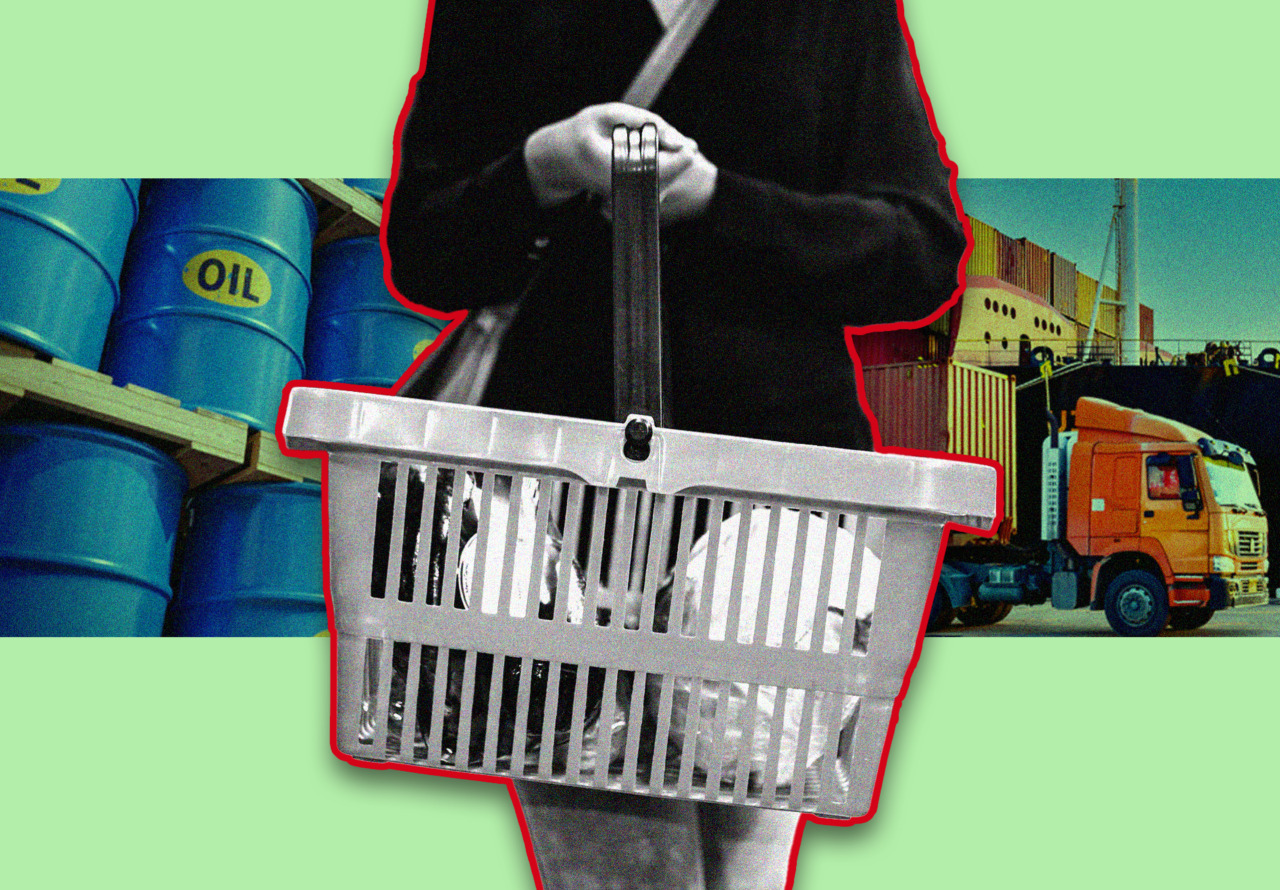
Americans are about to get a crash course in the global economy: Higher prices are coming for pineapples, plastic, chocolate and berries
The news highlights an impending rise in grocery prices due to increased costs in essential inputs like fertilizer, feed, packaging, and shipping. This inflationary pressure is expected to affect a variety of products including pineapples, plastic goods, chocolate, and berries. As consumer prices rise, there may be a shift in spending behavior, potentially affecting demand for certain products. Companies reliant on these inputs could face margin pressures. Overall, the inflation narrative continues to influence market sentiment and dynamics in the grocery sector.