$HYG
AI Sentiment Score: 0/100|4 articles (7d)|USD
Open
$79.70
Day High
$79.74
Day Low
$79.31
Prev Close
$79.70
Volume
47.1M
Sentiment
0
0B · 4Be
Intraday Price Chart · 5-Min Candles
79 data points · Dashed line = EOD prediction
EOD Prediction
$79.01
-0.71 (-0.89%) vs now
AI Signal
▼ SELL
EOD prediction is AI-generated from news sentiment only. Not financial advice.
Latest Analysis for $HYG
Franklin Managed Income Fund Q4 2025 Commentary
The commentary from Franklin Managed Income Fund for Q4 2025 indicates a conservative outlook amid rising interest rates and potential economic slowdowns. The fund remains cautious about its bond investments, emphasizing quality and duration management. Investors are advised to remain vigilant as market volatility is expected to persist. This positioning could benefit higher-rated bonds while negatively impacting those with lower credit ratings. Overall, the sentiment surrounding fixed income markets appears bearish in light of these developments.

I just learned my 82-year-old mother owes $130,000 in back taxes to the IRS — and she could lose her house
The news highlights a personal financial situation that reflects broader concerns about tax liabilities among elderly populations. The potential sale of an inherited property due to tax debt may lead to discussions about estate planning and tax reforms. This situation underlines the importance of financial literacy and planning for older adults. Concerns over property loss could impact housing markets in specific regions if similar situations are prevalent. The issue could also lead to increased demand for tax advisory services and estate planning professionals.
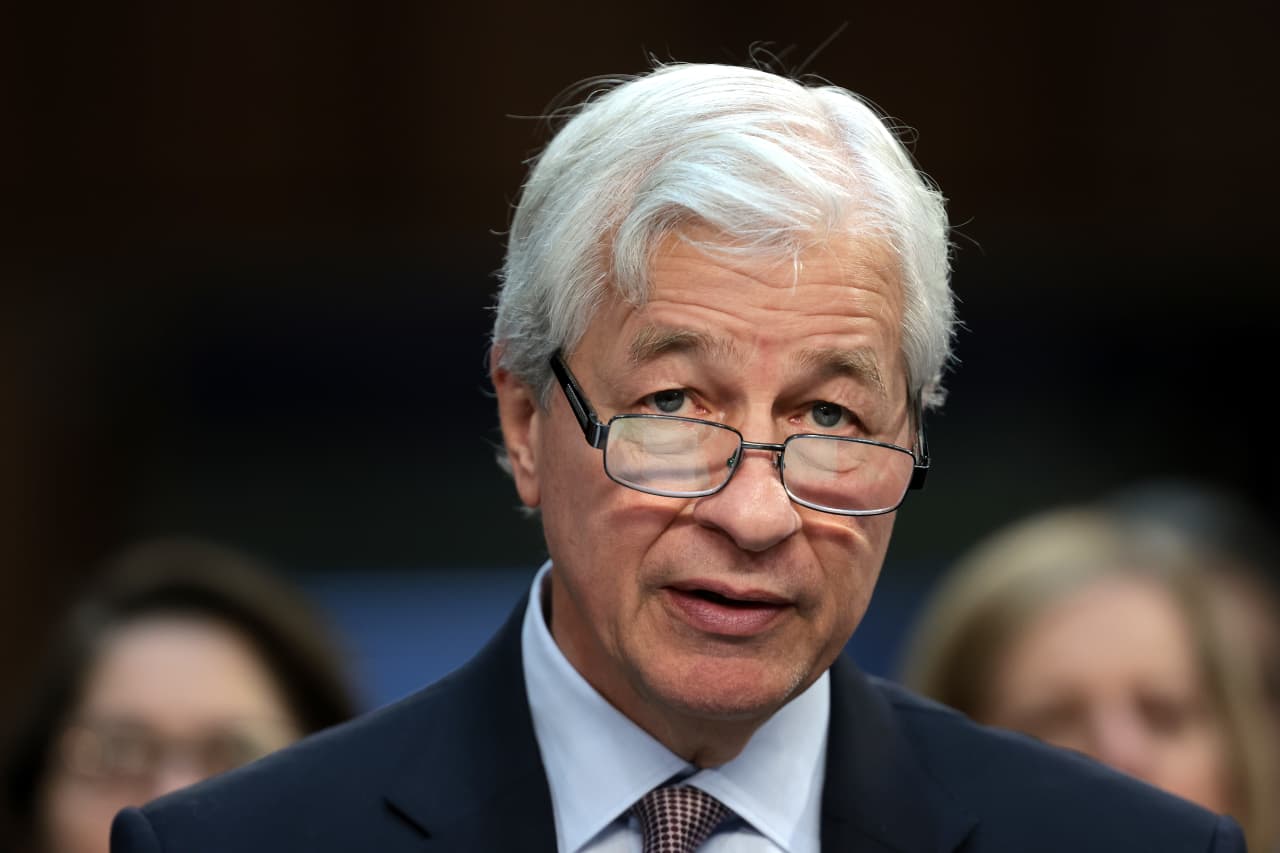
Jamie Dimon isn’t too worried about private credit, but he sees another problem for markets
Jamie Dimon expresses his concern over potential rising inflation in 2026, which could trigger a selloff in the stock market. Despite this warning, he is not overly concerned about the current state of private credit markets. Dimon suggests that inflation is the main threat that investors should be cautious of. The outlook implies volatility ahead as investors prepare for a potential downturn. His statements reflect a more cautious sentiment in the market regarding longer-term inflation risks.

USHY Yields 6.58% While VIX Sits at the 96.5th Percentile, A Risky Tradeoff
The article discusses the current state of the US high-yield bond market, noting that USHY yields are at 6.58%, which may seem attractive to investors. However, it highlights that the VIX, a measure of market volatility, is at the 96.5th percentile, indicating a heightened level of risk. This juxtaposition suggests that while the potential returns from high-yield bonds are appealing, the associated risk due to market volatility is also significant. Investors may need to exercise caution as the risk-reward tradeoff could be skewed. Overall, the article calls attention to the need for careful analysis before engaging in these assets.
Goldman Sachs sees bond yields falling amid Middle East tensions
Goldman Sachs has analyzed the recent geopolitical tensions in the Middle East, suggesting that these conflicts are likely to lead to a decrease in bond yields as investors seek safe-haven assets. As tensions rise, equities may face volatility while bonds become more attractive due to lower yields. The firm expects this shift in dynamics, which could influence interest rates and investment flows. Investors are advised to consider reallocations towards bonds to hedge against market uncertainties. Overall, this situation presents both challenges and opportunities for tactical investors.
HYD: Solid High-Yield Bond ETF, But Better Choices Out There (Rating Downgrade)
The article discusses the High-Yield Bond ETF (HYD) while suggesting it may not be the best option for investors currently, especially amid rating downgrades. As interest rates continue to rise, investors seeking returns in the high-yield bond sector may find better choices than HYD. The overall sentiment for this ETF leans negative due to the downgrade and the changing market conditions. Other high-yield funds may provide superior performance or lower risk. Therefore, investors should reassess their portfolios and possibly divert funds into more favorable options.
Is Stagflation Creeping Into the Picture?
Recent GDP data indicates a significant slowdown in economic growth during the fourth quarter of 2025, coinciding with rising inflation rates. This situation has raised concerns about the potential onset of stagflation, where stagnant growth and high inflation coexist. Investors may need to recalibrate their expectations regarding growth-driven equities. Safe-haven assets and defensive stocks may begin to see increased demand as fear grips the market. Overall, the economic landscape appears to be shifting towards caution among investors.
3 Social Security Filing Myths That Could Cost Retirees Thousands
The article discusses prevalent myths about Social Security filing that can lead retirees to make costly mistakes regarding their benefits. It highlights that misinformation can significantly impact financial outcomes for retirees. By clarifying common misunderstandings, the piece aims to inform and educate the audience on the importance of accurate information when making Social Security decisions. The article underscores the financial implications of these myths and advocates for careful planning and consultation. As retirees navigate their financial futures, understanding these aspects can lead to better financial health.
USHY: Why The High Yield Isn't As Attractive As It Looks
The article discusses the current high yield environment in the US, particularly focusing on the attractiveness of high-yield bonds. It argues that while yields appear enticing, risks associated with credit quality and potential economic downturns could undermine their appeal. The analysis points to widening spreads and rising default rates as indicators of a shaky high-yield bond market. Investors are advised to approach high-yield investments with caution due to potential hidden risks. The overall takeaway suggests that current high yield offerings may not be as favorable as they seem.