$HMC
AI Sentiment Score: 0/100|2 articles (7d)|USD
Open
$23.84
Day High
$23.61
Day Low
$23.25
Prev Close
$23.84
Volume
3.2M
Sentiment
0
0B · 2Be
Intraday Price Chart · 5-Min Candles
79 data points · Dashed line = EOD prediction
EOD Prediction
$23.28
-0.21 (-0.89%) vs now
AI Signal
▼ SELL
EOD prediction is AI-generated from news sentiment only. Not financial advice.
Latest Analysis for $HMC

Tesla eyes Japan’s top imported-car spot as it expands store, service network
Tesla is seeking to become the leading importer of cars in Japan by expanding its store and service network. This move comes as the company aims to increase its market share in the competitive Japanese automotive market, known for its strong domestic players. The expansion aligns with Tesla's global strategy to penetrate more international markets. Analysts believe this could significantly enhance Tesla's brand presence and sales volume in Japan. This development may also stimulate interest in electric vehicles in a market traditionally dominated by gasoline-powered cars.

Kia outperforms Hyundai in March sales with domestic surge, Morgan Stanley comments
In March, Kia reported a notable surge in domestic sales, outperforming its competitor Hyundai, according to a comment by Morgan Stanley. This performance highlights Kia's growing popularity and market presence in the automotive sector. Given the current trend, investors may perceive Kia's strength as a positive indicator for its stock performance. Meanwhile, Hyundai may face challenges as it struggles to keep pace with Kia's sales growth. Overall, this comparison suggests a potential shift in investor sentiment favoring Kia over Hyundai.

Boomers’ bad money habits include throwing out food and buying Lotto tickets. How a wasteful lifestyle can set you back
The article highlights common financial behaviors among Baby Boomers, such as wasting food and purchasing lottery tickets, which can lead to significant financial setbacks over time. It suggests that these habits may contribute to an overall lack of financial planning and savings. The discussion points to a larger trend of consumer behavior that can negatively impact financial security, particularly in retirement. Awareness of these behaviors could lead Boomers to reassess their financial strategies. Consequently, the article may suggest opportunities for financial service companies focused on this demographic.
Is Hawaii Really the Worst State to Retire In?
The article discusses concerns about Hawaii being an expensive state for retirees, which may deter potential residents looking for a retirement location. High costs can impact the local economy, and it highlights the challenges faced by retirees in accessing affordable living conditions. The economic implications could lead to a decline in housing markets and related services in Hawaii if retirees choose not to settle there. In contrast, this situation could benefit states with lower costs of living that attract retirees instead. Overall, the discussion could lead to bearish sentiment towards Hawaii-related investments.

Hyundai Motor aims to double China sales, launch 36 new models in North America
Hyundai Motor plans to significantly increase its presence in China by aiming to double its sales in the region. Additionally, the company announced its ambitious strategy to launch 36 new models in North America, signaling a strong commitment to market expansion. This move is expected to enhance Hyundai's competitive edge against domestic and international players in both markets. The automotive company is likely positioning itself for growth amidst a recovering post-pandemic economy. Investors may view this as a positive long-term growth strategy, which could boost Hyundai's stock performance.

Hybrids now account for 1 in 5 U.S. vehicle sales as market shifts
Hybrids have seen a significant increase in popularity, making up 20% of all vehicle sales in the U.S. This shift indicates a growing consumer preference for eco-friendly vehicles, driven by environmental concerns and rising fuel prices. Major automakers are likely to ramp up production of hybrid models in response to this trend. The movement towards hybrids may also accelerate the adoption of fully electric vehicles in the future. Overall, this trend may shift market dynamics in the automotive sector significantly.
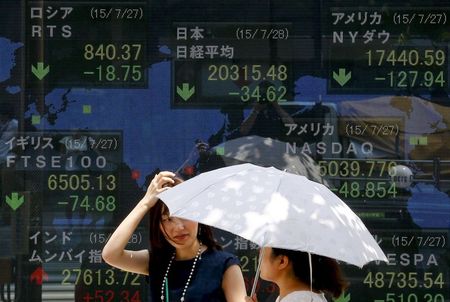
Asia stocks choppy amid oil volatility; China keeps lending rates steady
Asian stocks experienced volatility as oil prices fluctuated, showing mixed performance across the region. Markets reacted cautiously to China's decision to maintain steady lending rates, signaling a stable but not aggressive monetary policy stance. Oil price changes are influencing market sentiment, causing investors to be wary of inflationary pressures. The combination of stable lending rates and oil price volatility impacts sectors such as energy and transportation directly. Overall, traders are remaining cautious as they navigate these uncertain economic signals.

‘Demand destruction has begun’
The article underscores a significant decline in demand for Asian naphtha, indicating potential market volatility in the petrochemical sector. As demand destruction begins, companies reliant on naphtha may face reduced margins and profitability. The commentary suggests that consumers in Asia, who have heavily depended on this commodity, are beginning to struggle. This situation is likely to impact stock prices of key players in the naphtha market as investors react to falling demand. Consequently, price resilience in related commodities could also be tested amid these market dynamics.

Bank of Japan Holds Steady as Middle East Tensions Raise Uncertainty
The Bank of Japan decided to maintain its monetary policy unchanged, opting to keep interest rates low despite rising global economic uncertainties, particularly due to escalating tensions in the Middle East. This decision is aimed at sustaining economic recovery within Japan amidst external pressures. Investors are reacting cautiously, as they weigh the potential implications of geopolitical risks on global markets. The situation may lead to volatility in currency and commodity markets, especially in energy prices. Overall, the decision indicates a continuation of supportive monetary policies in Japan, which could influence investor sentiment.